BravesVision



 By: Michael Spiers
TheSouthernSportsEdition.com news services
For years Braves fans have lived in a state of television uncertainty.
Regional sports network disputes. Blackouts. Cable providers dropping channels days before Opening Day. Streaming confusion layered on top of it all.
Watching the team was sometimes harder than watching the bullpen hold a one run lead in September.
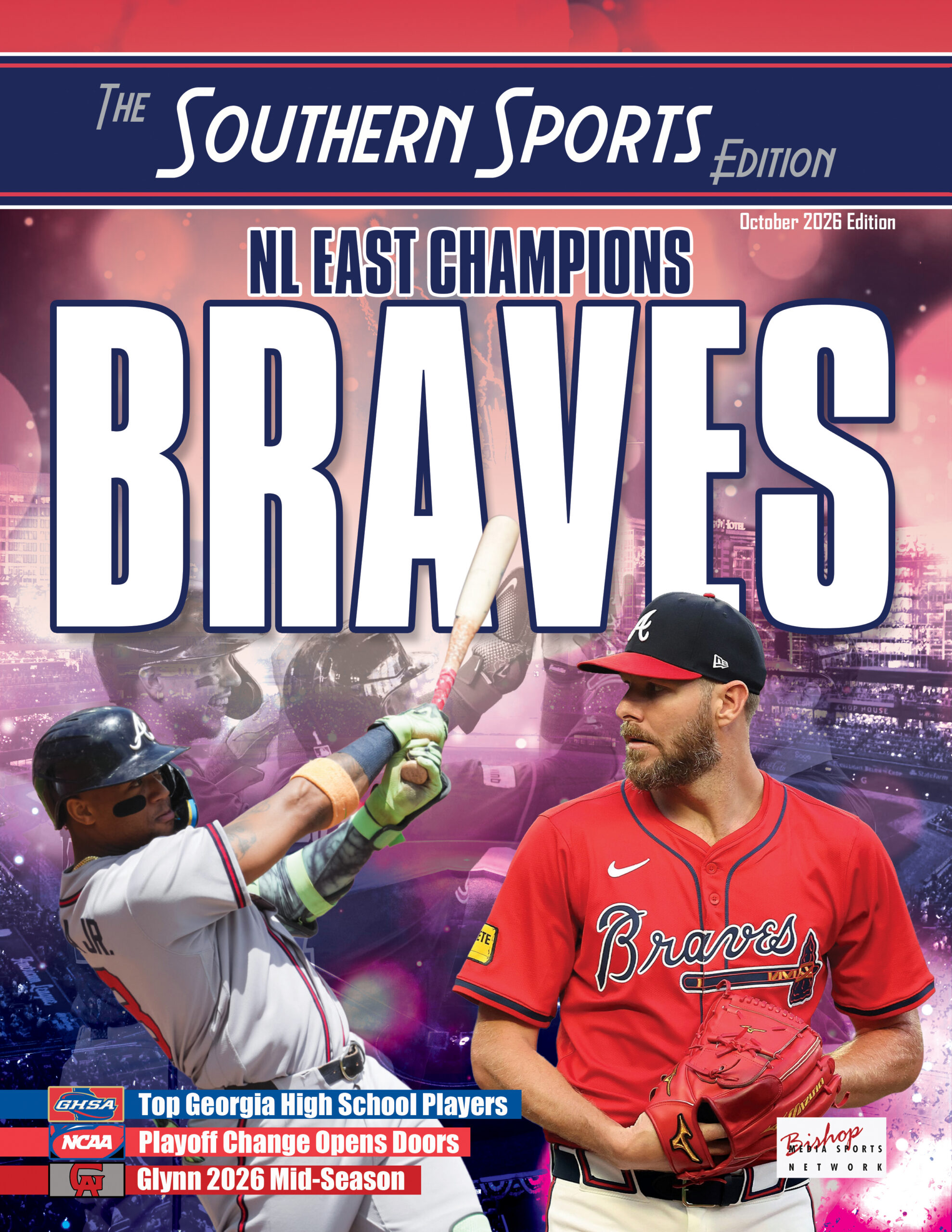
So, when the Atlanta Braves announced the launch of BravesVision, a team owned and operated broadcast platform that will serve as the official local television home beginning in 2026, it felt like something significant. It felt like control was coming home.
On the surface BravesVision checks nearly every box fans have been asking for.
The organization will oversee production, sales, marketing, and distribution of more than 140 regular season games. In-market fans will have access without local blackouts through Braves.TV.
Cable, satellite, and streaming providers will be able to carry the network through direct agreements with the club.
A select number of games will even be available over the air at no cost across the Southeast through Gray Media stations. That last point matters.
Free television still has value. It keeps the sport accessible to casual viewers, families, and young fans who may not be ready to navigate subscription platforms. The Braves appear to understand that.
There is also something emotionally resonant about this move. Generations of Braves fans just like me grew up watching games on a network closely tied to the club. The broadcast was not just distribution. It was identity.
By bringing television operations in house, the Braves are reclaiming that narrative space. They control how the team is presented, how stories are told, and how the brand evolves across digital platforms. In a fragmented media landscape, that kind of control is powerful.
But optimism has to meet reality at the price point. The Braves have not yet announced subscription cost.
Industry comparisons suggest a likely range around twenty dollars per month or somewhere between one hundred and one hundred fifty dollars for a full season package.
That may not sound unreasonable to diehard fans who watch nearly every game. Over six months of baseball, that cost can feel justified.
The challenge lies with everyone else. Modern sports fans already juggle multiple subscriptions. Cable or streaming television packages. National MLB streaming services. ESPN and other sports platforms.
Adding another recurring fee risks pushing casual viewers away rather than drawing them in. Convenience loses its shine if it arrives with another invoice.
Distribution will also be critical. If BravesVision is widely available through major providers without forcing fans into expensive add on tiers, it will feel seamless.
If it becomes another premium channel that requires an upgrade, frustration will follow quickly.
There is also a broader business question. The collapse of several regional sports networks over the past few years has reduced guaranteed television revenue for many clubs.
Some teams that transitioned to league produced broadcasts have reportedly seen revenue cut nearly in half compared to prior deals.
The Braves are choosing a different path by managing the operation themselves. That decision carries both risk and opportunity. Success will depend not just on subscriptions but on advertising, sponsorship, and overall audience reach.
In the end, BravesVision represents something admirable. It is a proactive solution rather than a reactive one. It removes blackout barriers. It simplifies access. It restores storytelling control to the organization.
Whether it is worth the price will come down to execution. If the Braves deliver broad access at a reasonable cost, this could become a model for other franchises navigating the post cable sports world.
If pricing creeps too high or distribution becomes fragmented, it may feel like trading one complicated system for another. For now, fans have reason to be cautiously optimistic. The intent is strong. The structure is promising.
The next step is making sure BravesVision serves not just the organization’s bottom line but the families across Braves Country who simply want to turn on a game and watch.
Online
Radio/Podcasts